ADHD Symptoms in Children

The ultimate guide for learning about ADHD symptoms in children and signs that your child may need behavioral treatment or other intervention. Coming from a family with lots of attention difficulties as well as fidgety behavior, excessive talking, and being easily distracted, I know how challenging it can be to make the decision to get your child tested for attention deficit hyperactivity disorder! Especially when currently the main method of treatment involves medicating and some of the side effects of ADHD medication can be detrimental to health.
Most treatments include stimulant medication, but new medications are continuously being made including those that are considered non-stimulant. Because many parents are against medicating, there are also more natural options, such as the Feingold diet, which has shown to have favorable results as well. I have personally applied many of these more natural options with great success to myself and my son!
The definition of this disorder is essentially a chronic condition that affects an individual’s ability to focus, sit still and control behavior. It's important when considering ADHD symptoms in children, that you rule out sleep problems, food allergies, and other neurological problems that may be an underlying cause.
ADHD Symptoms in Children
based on DSM-5TM Diagnostic Criteria
You can determine whether further evaluation for your child is required by downloading a checklist for ADHD symptoms in children based on the DSM-5 Diagnostic Criteria listed below.
A. A persistent pattern of inattention and/or hyperactivity-impulsivity that interferes with functioning or development, as characterized by (1) and/or (2):
1. Inattention: Six or more of the following symptoms have persisted for at least 6 months to a degree that is inconsistent with developmental level and that negatively impacts directly on social and academic/occupational activities:
Note: The symptoms are not solely a manifestation of oppositional behavior, defiance, hostility, or failure to understand tasks or instructions. For older adolescents and adults (age 17 and older), at least five symptoms are required.
a. Often fails to give close attention to details or makes careless mistakes in schoolwork, at work, or during other activities. (e.g., overlooks or misses details, work is inaccurate)
b. Often has difficulty sustaining attention in tasks or play activities. (e.g., has difficulty remaining focused during lectures, conversations, or lengthy reading).
c. Often does not seem to listen when spoken to directly. (e.g., mind seems elsewhere, even in the absence of any obvious distraction).
d. Often does not follow through on instructions and fails to finish schoolwork, chores, or duties in the workplace (e.g., starts tasks but quickly loses focus and is easily distracted).
e. Often has difficulty organizing tasks and activities. (e.g., difficulty managing sequential tasks; difficulty keeping materials and belongings in order; messy disorganized work; has poor time management; fails to meet deadlines).
f. Often avoids, dislikes, or reluctant to engage in tasks that require sustained mental effort (e.g., schoolwork or homework; for older adolescents and adults, preparing reports, completing forms, reviewing lengthy papers).
g. Often loses things necessary for tasks and activities (e.g. school materials, pencils, books, tools, wallets, keys, paperwork, eyeglasses, mobile telephones).
h. Is often easily distracted by extraneous stimuli (for older adolescents and adults, may include unrelated thoughts)
i. Is often forgetful in daily activities (e.g., doing chores, running errands; for older adolescents and adults, returning calls, paying bills, keeping appointments).
2. Hyperactivity and impulsivity: Six or more of the following ADHD symptoms in children have persisted for at least 6 months to a degree that is inconsistent with developmental level and that negatively impacts directly on social and academic/occupational activities: of hyperactivity-impulsivity have been present for at least 6 months to an extent that is disruptive and inappropriate for developmental level:
Note: The symptoms are not solely a manifestation of oppositional behavior, defiance, hostility, or a failure to understand tasks or instructions. For older adolescents ad adults (age 17 and older), at least five symptoms are required.
a. Often fidgets with hands or feet or squirms in seat.
b. Often leaves seat in situations when remaining seated is expected. (e.g., leaves his or her place in the classroom, in the office or other workplace, or in other situations that require remaining in place).
c. Often runs about or climbs in situations where it is inappropriate (adolescents or adults may feel very restless).
d. Often unable to play or engage in leisure activities quietly.
e. Is often "on the go" or often acts as if "driven by a motor" (e.g., is unable to be or uncomfortable being still for extended time, as in restaurants, meetings; ay be experienced by others as being restless or difficult to keep up with).
f. Often talks excessively.
g. Often blurts out answers before a question has been completed (e.g., completes people's sentences; cannot wait for turn in conversation).
h. Often has trouble waiting his or her turn (e.g., while waiting in line).
i. Often interrupts or intrudes on others (e.g., butts into conversations, games, or activities; may start using other people's things without asking or receiving permission; for adolescents and adults, may intrude into or take over what others are doing).
B. Several inattentive or hyperactive-impulsive symptoms were present prior to age 12 years.
C. Several inattentive or hyperactive-impulsive symptoms are present in two or more settings (e.g. at school/work and at home; with friends or relatives; ).
D. There must be clear evidence that the symptoms interfere with, or reduce the quality of social, academic, or occupational functioning.
E. The symptoms do not occur exclusively during the course of Schizophrenia, or other Psychotic Disorder and are not better accounted for by another mental disorder (e.g. Mood Disorder, Anxiety Disorder, Dissociative Disorder, Personality Disorder, substance intoxication or withdrawal).
ADHD symptoms in children may vary with some being more impulsive and others more hyperactive. As a result, the treatments necessary may be different for each child depending on their own unique abilities.
I think what is most important is that a parent doesn't feel pressured to do something they are uncomfortable with simply because a school or another individual is urging it to happen. As I mentioned earlier, there are many treatment options for ADHD symptoms in children that are available and do not involve stimulant medications. Be sure to check these out by clicking the link above.
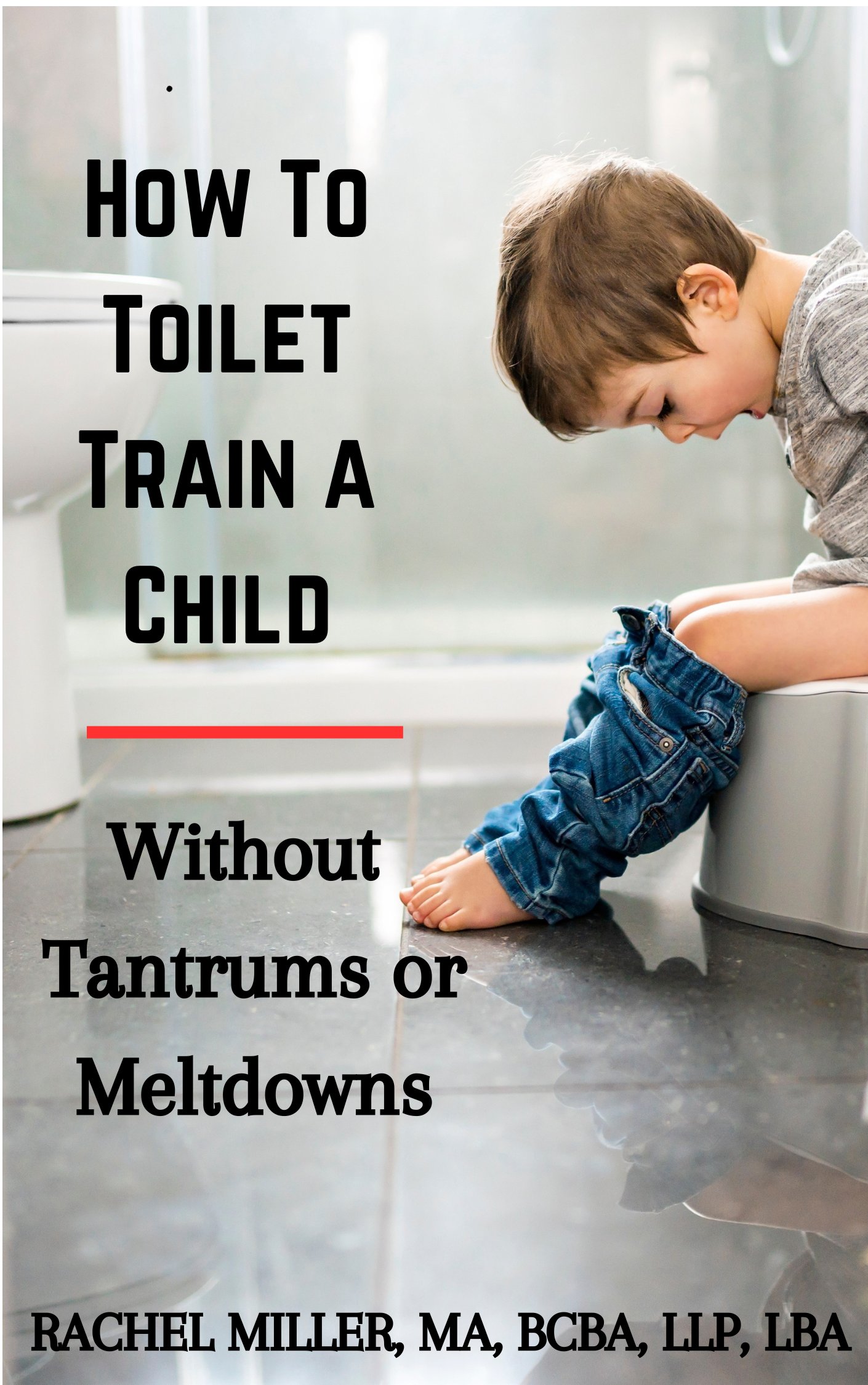
If you haven't already, be sure to check out my ebooks, now on Amazon!
 |
 |
References
1. American Psychiatric Association: Diagnostic and Statistical Manual of Mental Disorders, 5th edition. Arlington, VA., American Psychiatric Association, 2013.