Behavior Charts for Kids
Looking for effective tools to support positive child behavior? Our free printable Behavior Charts are perfect for daily use at home or in the classroom. These charts are especially helpful for children with ADHD, and can be used for a variety of needs—from potty training toddlers to encouraging older kids to complete homework. Using a potty chart or homework chart can provide the structure and motivation needed to reinforce good habits.
Every child is unique, so we’ve created a wide selection of Behavior Charts to address different challenges and developmental stages. Whether your goal is to reduce tantrums, encourage responsibility, or support focus and routine, you’ll find customizable options to fit your child’s needs. All charts are available for easy download and printing from home.
For additional support, be sure to explore my recommended book below, which offers proven strategies for managing difficult behaviors in children. When combined with Behavior Charts and appropriate ADHD or autism interventions, these tools can greatly increase your child’s chances of success.
Behavior Charts are a fun, visual way to help kids stay on track. While they’re a powerful short-term tool, the ultimate goal is to help children internalize positive behaviors. With consistent use, praise, and natural reinforcement, your child can learn to maintain good behavior without relying on charts long-term.
How to Use Kids Charts
Start here before viewing all of the printable behavior charts for children. It’s important to know how to use charts for kids in a way that will give you the best results. Many parents become discouraged when they don’t see a change in behavior right away.
As mentioned above, you don't want to use a chart forever. Therefore, it's important to learn ways to get a lasting change in behavior. so, be sure to check out the link above and read about these worthwhile tips.
Free Behavior Charts to Decrease Behaviors

The charts on this page allow you to use the template, with examples of different behaviors to target or you can write in specific behaviors to decrease for a child. It then provides the child a place to put a sticker for not doing those behaviors that day, color a star, or place a check mark for each day of the week. This can be good if you have a lot of behaviors to target for decreasing.
Charts like a Token Board

These are great for younger children or children that are unable to read, in which you are only focusing on one behavior or generally all desirable behaviors. You can print them, laminate them and put velcro behind each one to have him/her place the token where it goes, while providing lots of praise and then practice counting with your child until the entire chart is full. Once full, your child will then get his/her prize! There are 7 of each included to be done once a day, or you could add each over the course of a period of time.
Printable Reward Charts with Stars

These allow you and your child to have a set goal in mind that must be met in order to obtain a reward. They are generally good for behaviors you want to increase, such as cleaning up toys, getting dressed independently, or brushing teeth. I have placed stars in each square for the child to color in themselves (this is so much fun!), but you may also choose to place a sticker over each star as well. There is one with sports balls, butterflies and circus animals. I created them in black and white so your child could color them and you don't need colored ink for them to look great when printed!
ADHD Behavior Charts
for increasing and decreasing behaviors

These are designed in mind for a child with ADHD symptoms or other more intense behavioral problems. They allow you to monitor behaviors you are hoping to increase and decrease by using a point system.
Each time your child does a desirable response (e.g. completes assigned chores for kids) he/she earns a point and each time your child does an undesirable behavior (e.g. curses or yells) he/she loses a point. Then, a goal is set for a certain number of points to be earned in order to obtain a reward.
Picky Eater Chart
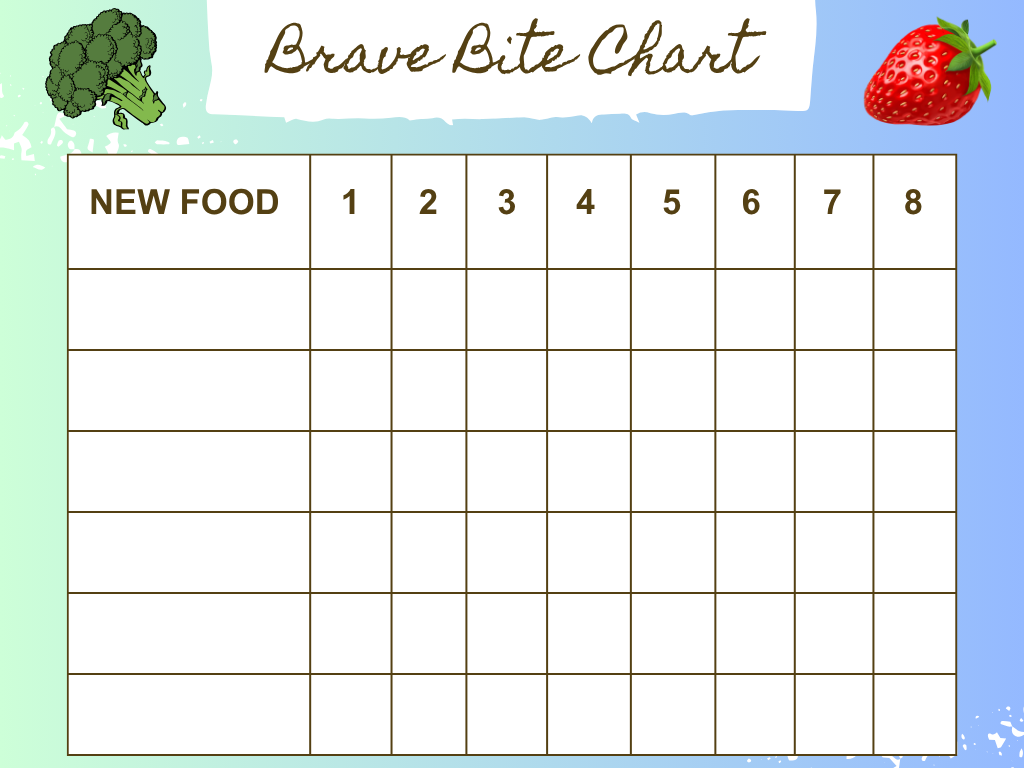
A picky eater chart is a visual tool designed to help children expand their food preferences in a fun and structured way. These charts often use colorful designs, stickers, or point systems to encourage kids to try new foods and develop healthier eating habits. For example, some charts break down the process into steps like touching, smelling, or tasting a new food, assigning points for each action, which can then be exchanged for a reward. Others, like the customizable farm-themed tracker, set daily goals for trying specific healthy foods such as avocado or salmon . While many parents find these charts helpful, some experts caution that using rewards for eating can have drawbacks and recommend making sure to focus on positive reinforcement without any pressure.
Potty Training

Potty training kids can be very challenging, especially for children with autism behaviors. However, using potty charts along with the potty training guide I have put together; you may actually find it fun to potty train! I know I had a blast using this proven system with my own kids and was amazed at how quickly they learned in one week after I implemented the strategies outlined on these pages.. In addition to this chart shown, I have created a few more free potty charts to offer a wider variety to choose from or let your child pick there own!
Feelings Charts for Kids
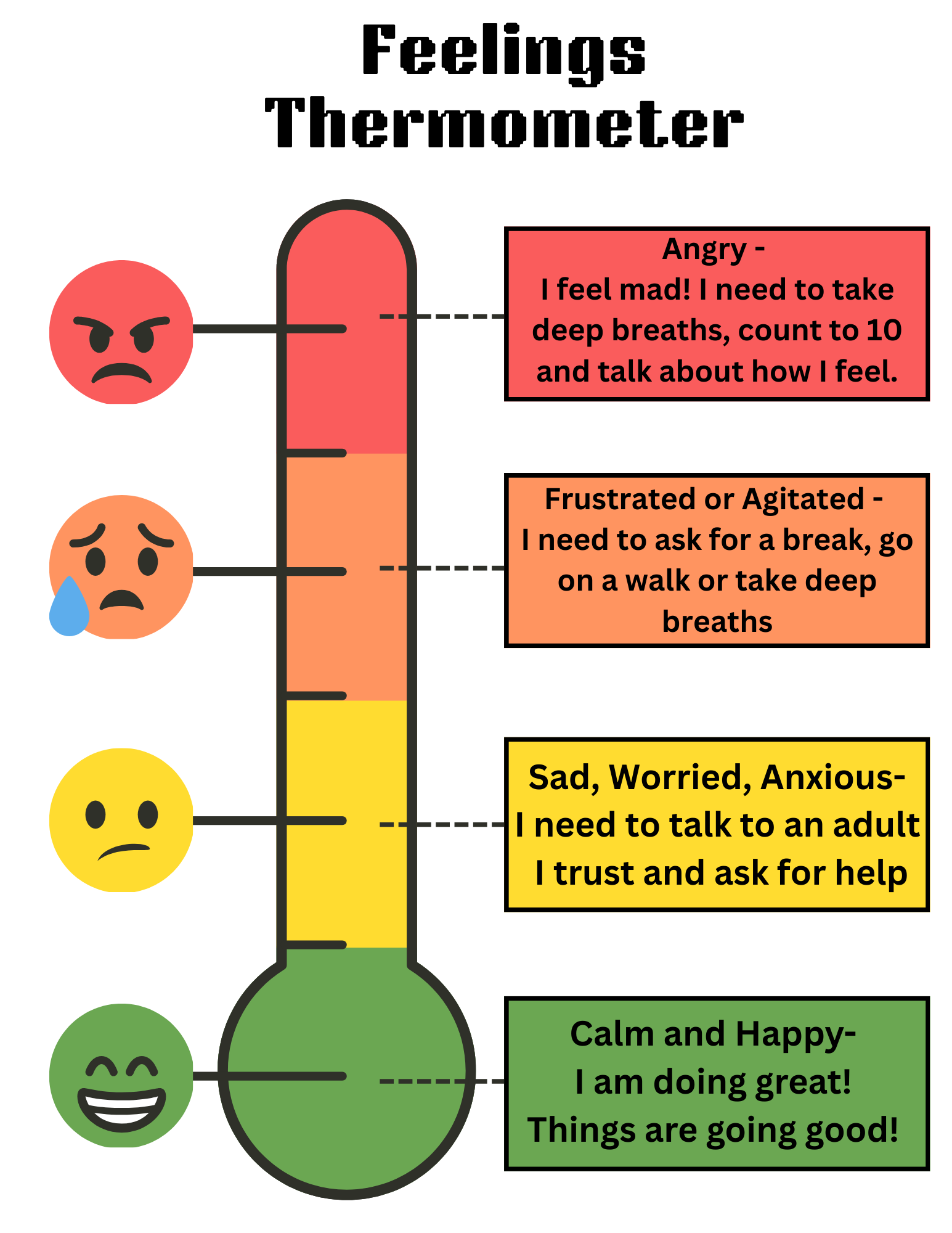
Feelings charts and feelings thermometers with coping skills are visual tools used to help individuals, especially children, identify, understand, and express their emotions. A feelings chart typically displays a range of emotions using words, colors, or facial expressions, helping users recognize what they’re feeling. A feelings thermometer builds on this concept by showing intensity levels—like from calm to angry or mildly upset to extremely distressed—often using a color gradient. These tools are often paired with coping skills charts that suggest strategies for managing emotions at different levels, such as deep breathing, taking a break, or talking to a trusted adult. Together, they promote emotional awareness and self-regulation, which are essential for mental well-being and resilience.
Certificates for Kids
Once your child has filled out a behavior chart or accomplished a specifically hard task, giving them a certificate can be a great. way to reward their efforts and help them to feel proud of what they have done. There is a blank one you can fill out yourself on this page or you can print off one for having a clean room or helping others.
If you would like one for good behavior, good grades or being a Big Kid after potty training, these additional certificates for children will give you another easy way to help your child feel proud of their success.
Chart for Bedtime Routines
Looking for a simple, effective tool to support your child’s bedtime routine? This page features a free printable Brave Bedtime Chart designed to help kids build confidence, follow consistent routines, and sleep in their own bed. This resource is especially helpful for children ages 2–7 who may struggle with nighttime fears, bedtime anxiety, or sleep resistance. You’ll also find tips for using the chart effectively and encouraging bravery through positive reinforcement. To support emotional learning, the page includes a Brave Kid Adventures social story video about going to bed independently. It’s a great next step if you’re building structure around your child’s nighttime routine.
Other ways to make Behavior Charts:
If you are looking for something you can customize on your own and make individualized to your child, I also recommend checking out Canva for templates and easy to use designs that can be printed and used!
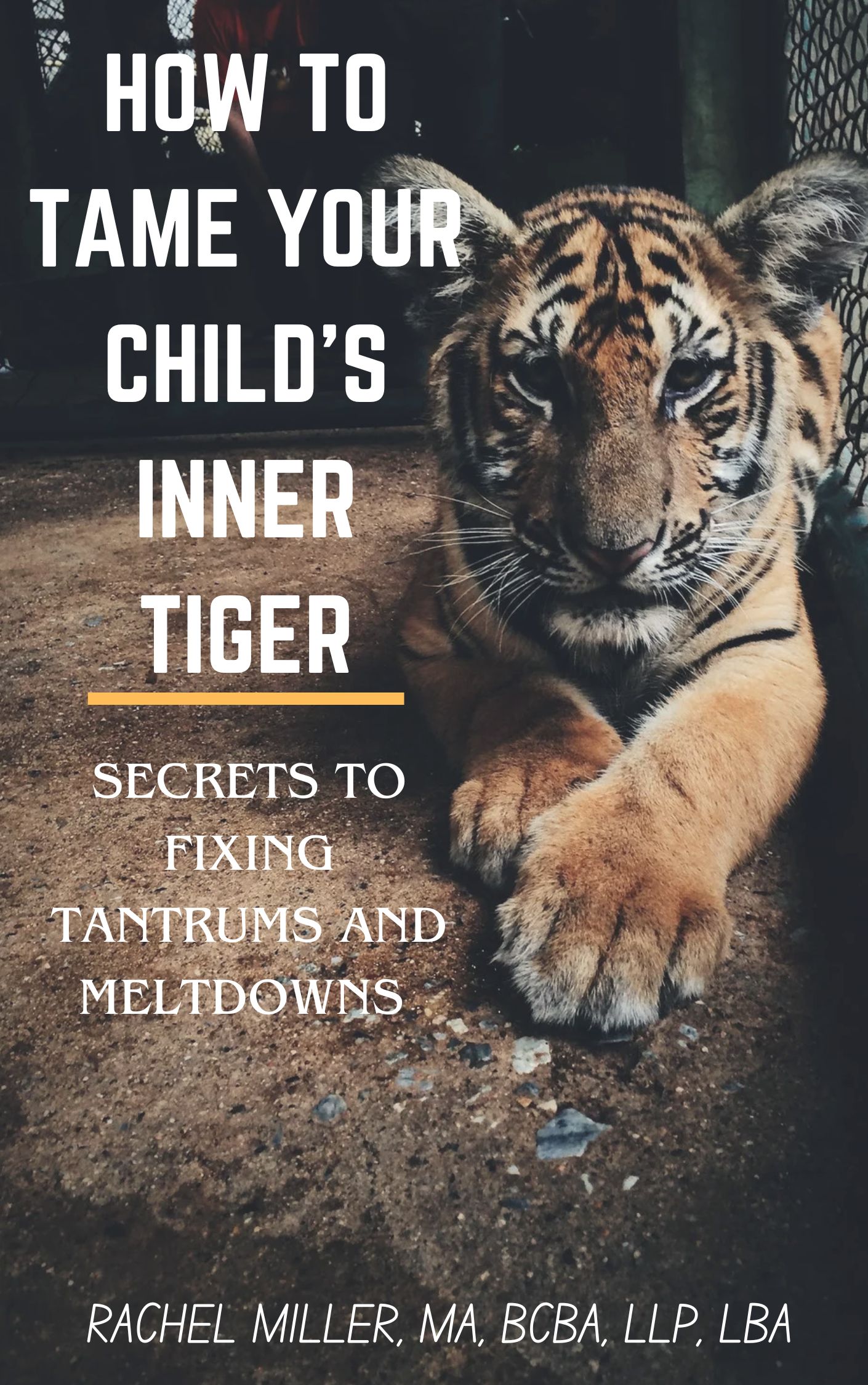
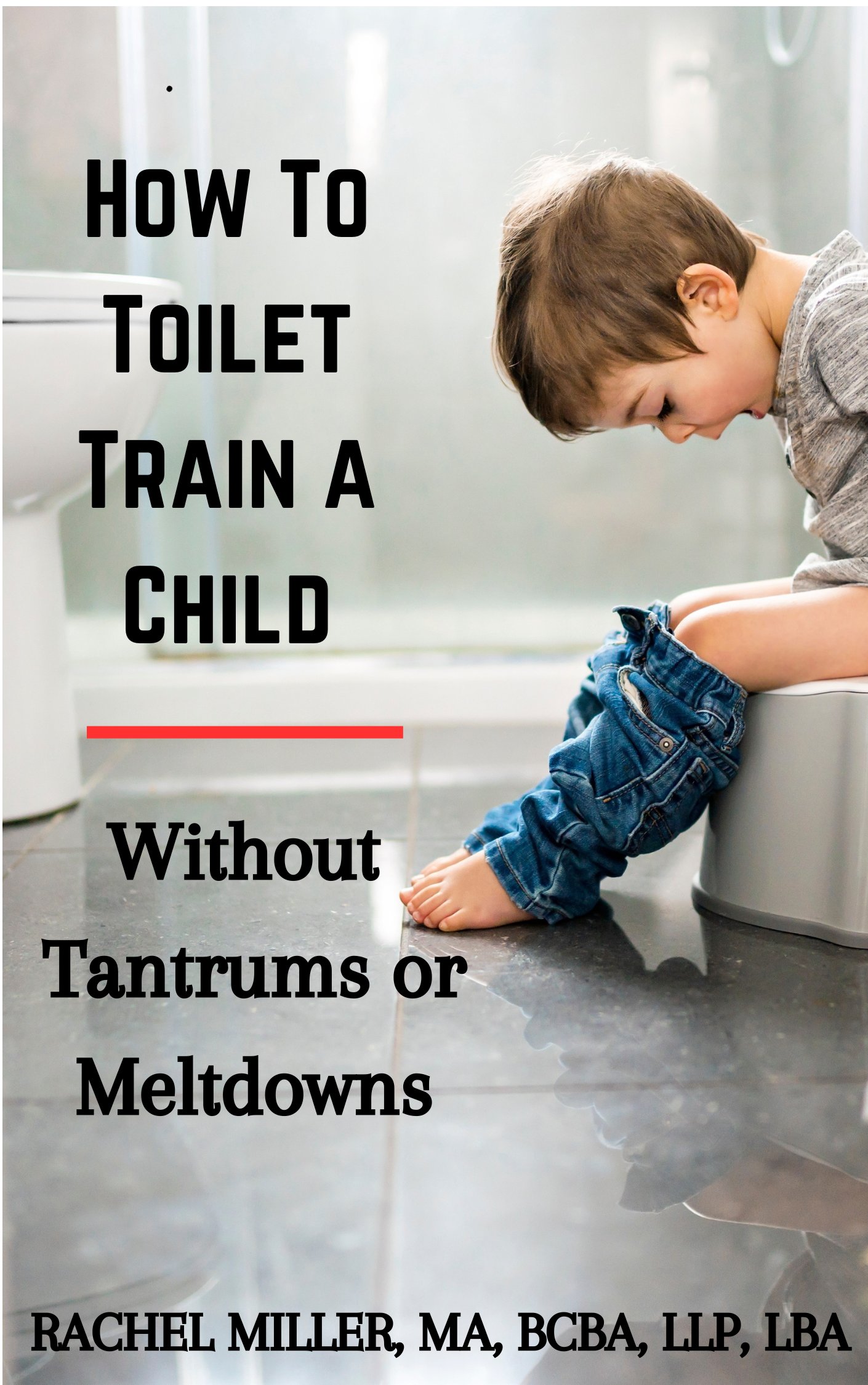
If you haven't already, be sure to check out my ebooks, now on Amazon!
 |
 |