School Behavior:
Understanding and Supporting Your Child's Success
School behavior plays a critical role in a child’s ability to learn, socialize, and grow academically. When children struggle with school behavior problems—such as poor concentration, difficulty listening, or dealing with bullies—parents often feel helpless and unsure of how to intervene. Fortunately, there are practical strategies you can use to help your child succeed both behaviorally and academically.
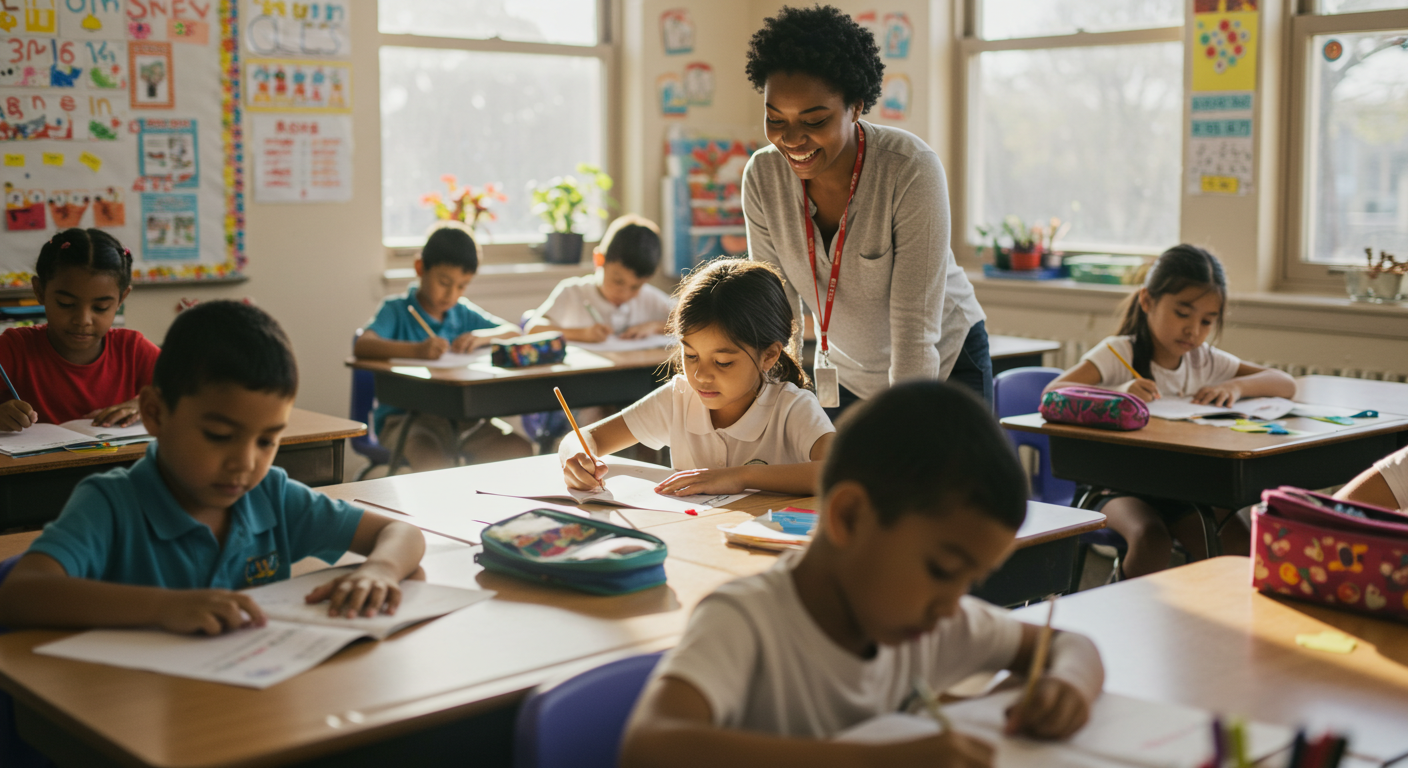
Today's children face unique challenges. From social awkwardness and peer pressure to the constant distractions of technology, the modern classroom can be overwhelming. Supporting positive school behavior is one of the most effective ways to help your child feel more confident, capable, and connected.
Strong school behavior habits don’t develop overnight. They are shaped by consistent guidance, clear expectations, and reinforcement both at school and at home. Parents and educators who work together can significantly influence a child’s behavior and motivation. Even small changes—like limiting screen time before bed, setting up a daily homework routine, or encouraging open communication—can lead to big improvements. When a child learns how to manage their emotions, stay focused, and respond respectfully, they gain the tools to thrive in the classroom and beyond.
In this guide, you’ll find essential information on the most common school behavior concerns—along with links to in-depth resources on each topic. Whether your child is struggling to focus, listen, manage homework, or navigate peer conflict, there are tools and techniques that can make a real difference.
Common School Behavior Challenges and How to Address Them
Behavior Problems in School
Behavior problems in school—such as defiance, lack of focus, or disruptive actions—can prevent children from learning effectively. These challenges may be caused by stress, fatigue, learning difficulties, or emotional struggles. Understanding the root of these behaviors and using proactive strategies like structured routines and positive reinforcement can lead to noticeable improvements in your child’s school behavior.
Behavior problems in school can interfere with a child's ability to learn and thrive. Factors like poor sleep, lack of structure, or emotional stress may contribute to disruptive behaviors. Parents and teachers can work together using consistent routines, clear expectations, and proactive strategies to support positive behavior in the classroom.
Dealing with Bullies in School
Bullying remains one of the most difficult challenges children face in school today. Victims of bullying often suffer in silence, leading to anxiety, depression, and in severe cases, even self-harm. Teaching children how to assert themselves, build resilience, and seek help from trusted adults is crucial for both safety and confidence.Behavior problems in school can interfere with a child's ability to learn and thrive. Factors like poor sleep, lack of structure, or emotional stress may contribute to disruptive behaviors. Parents and teachers can work together using consistent routines, clear expectations, and proactive strategies to support positive behavior in the classroom.
Poor Listening Skills
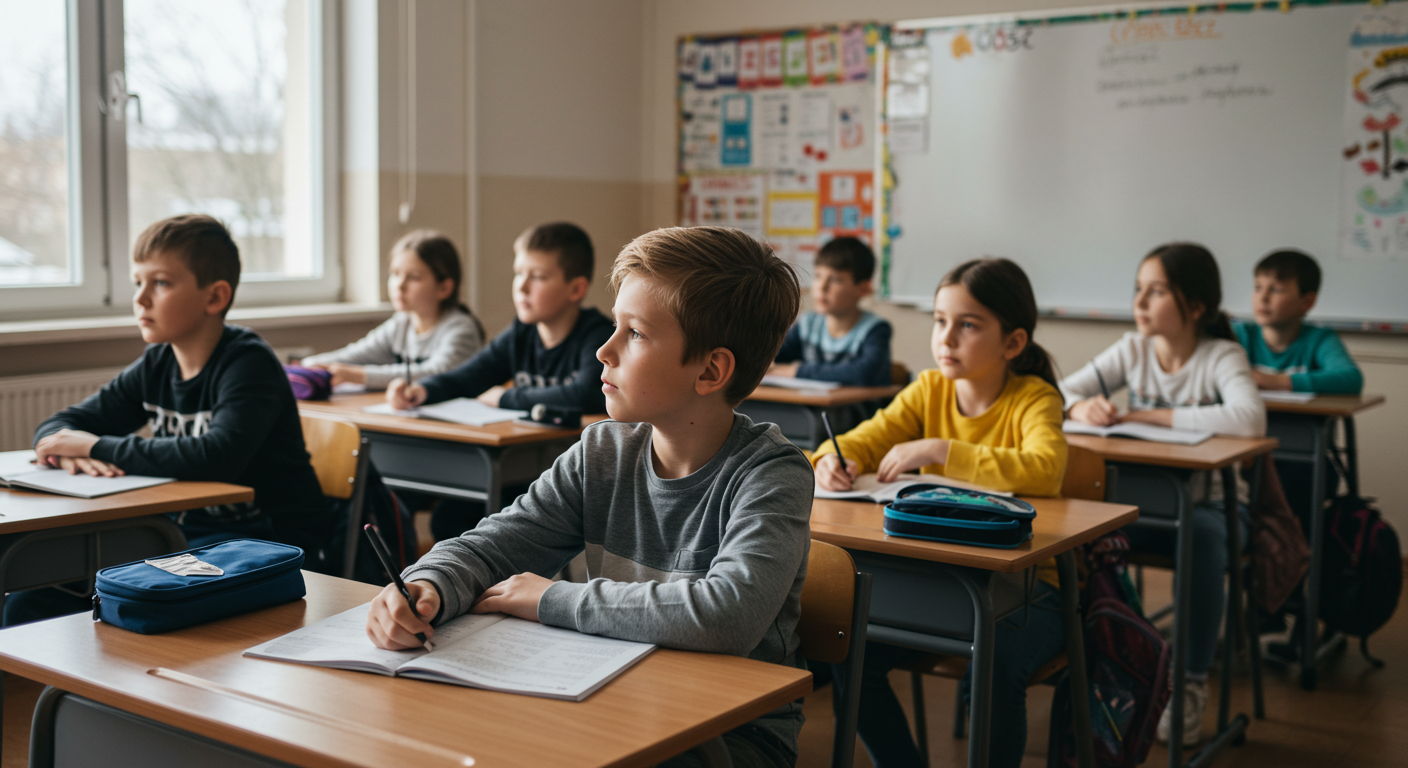
Listening is a foundational part of classroom learning—but many children struggle with this basic skill. Poor listening can lead to missed instructions, frustration, and underperformance. Explore simple techniques to strengthen listening habits and help your child become more attentive and engaged in school.Are you frustrated by your child’s poor listening skills? Learning how to listen is not always something that comes naturally and if children aren’t listening then they aren’t acquiring new information. So, I have written a page with ideas on how to assist children with this necessary school behavior.
Study Tips for Students
Many school behavior problems arise around homework time. Students—especially those with ADHD or concentration difficulties—may resist studying or become overwhelmed. Discover effective study tips, homework strategies, and ways to create a productive learning environment at home that reduces conflict and improves academic success.
Causes of Attention and Memory Problems
A child’s ability to focus and remember what they’ve learned directly affects their classroom behavior and performance. If your child struggles with attention or memory, it could be due to underlying issues such as ADHD, anxiety, or sensory overload. Learn how to identify the signs and explore techniques that support brain function and improve school behavior.
Improving Concentration, Attention, and Memory
In addition to addressing underlying causes, there are also exercises and tools that can strengthen your child’s concentration and memory. From brain-boosting activities to lifestyle changes like sleep and nutrition, improving these cognitive functions leads to better behavior, stronger study habits, and greater academic success.
How to Get a Student Evaluated for an IEP
If your child is consistently struggling with school behavior or academic performance, it may be time to consider whether an Individualized Education Program (IEP) is appropriate. An IEP provides tailored supports and services for students with disabilities—but to qualify, a school evaluation is required.
The process starts with a formal request for evaluation, which must be submitted in writing. Once the written request is received, the school is legally obligated to begin the evaluation process within a specific timeframe. This evaluation helps determine if your child qualifies for special education services under the Individuals with Disabilities Education Act (IDEA).
It’s important to understand that having a medical diagnosis—such as ADHD, autism, or anxiety—is not enough to automatically qualify for an IEP. The school must conduct its own evaluation to determine whether your child’s condition is impacting their ability to learn in the general education setting. Without this school-based assessment, supports and accommodations cannot be formally provided.
If you suspect your child may need additional help, starting the IEP process early is key to getting the right support in place and improving both academic success and school behavior.
Supporting Your Child’s School Behavior Starts at Home
Positive school behavior begins with support and guidance at home. By creating consistent routines, offering encouragement, and staying involved in your child’s educational journey, you can play a powerful role in their development. When children feel secure, supported, and capable, they are much more likely to behave well, stay focused, and succeed in school.
If you haven't already, be sure to check out my ebooks, now on Amazon!
 |
 |