Autism Treatments
The most effective autism treatments also try to eliminate underlying symptoms and associated behaviors. Applied behavior analysis or ABA therapy used with speech and occupational therapies can make a huge difference in a child's recovery. I offer free social stories and other great techniques that can be used with all children, but are especially helpful for those on the spectrum. I also feel it is important to consider biomedical treatments for autism, such as placing the child on a special diet and/or adding nutritional supplements the child is lacking to even further the child’s recovery.
Each child should be evaluated as an individual, especially if there are only mild symptoms, to determine what the best treatments are for that child’s own unique behavior characteristics, but ABA in general is currently the most scientifically validated autism treatment. If your child is also displaying symptoms of sensory processing disorder symptoms, then finding an OTR with an extensive background in sensory disorders will be important as well.
Applied Behavior Analysis - ABA Autism Therapy
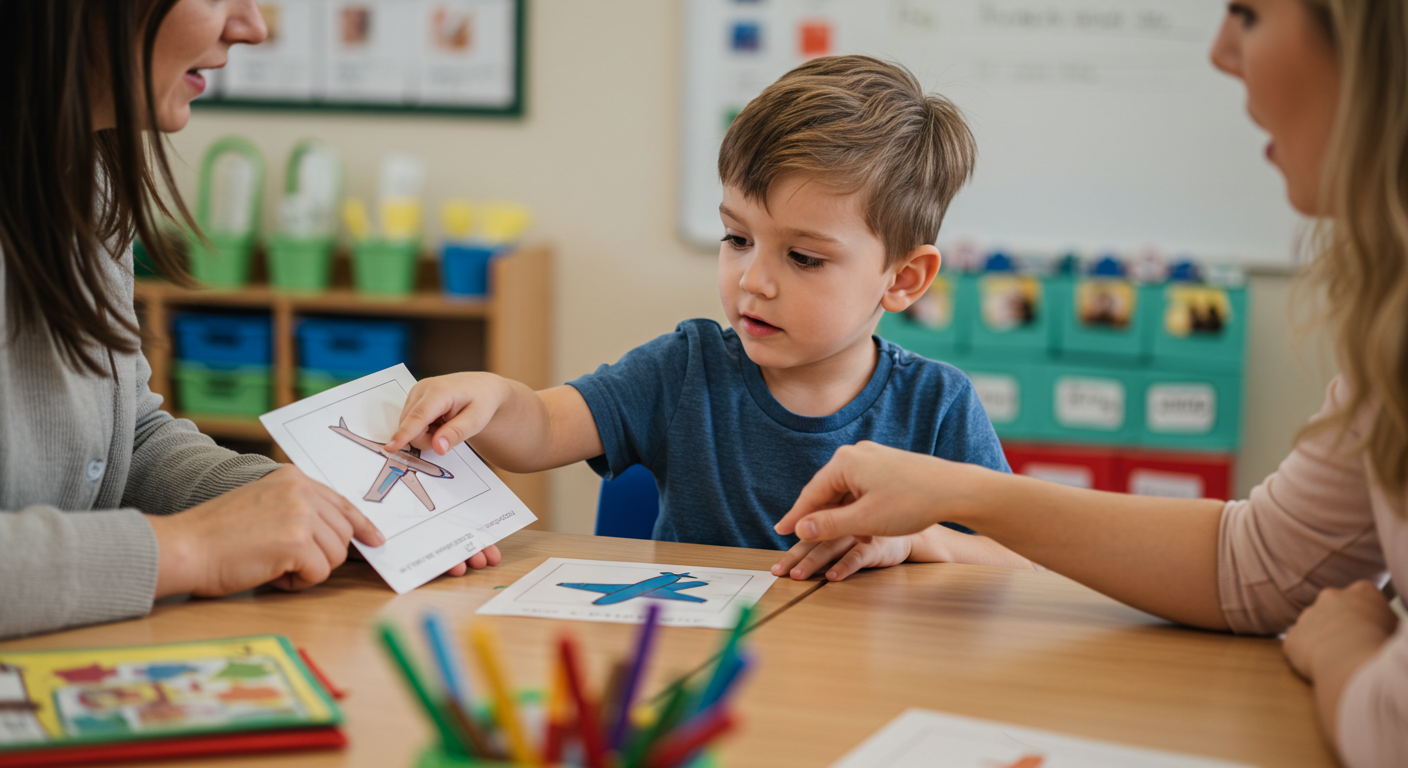
Applied Behavior Analysis is one of the most widely used autism treatments, but unfortunately it can be very costly. ABA therapy requires one on one attention from a trained therapist that uses techniques, such as discrete trial training, ASD communication cards for autism, incidental teaching and pivotal response treatment.
As a graduate student, I worked in a school that provided one on one ABA treatments, to children with pervasive developmental disorders. The progress can be very slow for some children and for others it can open doors that dramatically improve the quality of life for that child. This particular treatment is one of the only empiracally validated treatments with the research showing substantial improvement in symptoms after receiving 20-40 hours of ABA per week for 2-6 years.
Using Social Stories With Other Autism Treatments

Social stories are great for teaching children about different situations that they may encounter, new skills you want them to learn, or as a way to prepare them for the stimuli that might occur in a particular environment. They also work like programing the brain to accept new situations a child may encounter more willingly. You may use them for telling a child about what they will do when going to a new school, riding a bus or for help when potty training. They are also great for gaining compliance when you are working with defiant children. I have created some social story videos on my YouTube channel Brave Kid Adventures to provide parents, teachers, and ABA therapists a fun and engaging way to introduce young children to new or challenging concepts.
Autism Biomedical Treatment
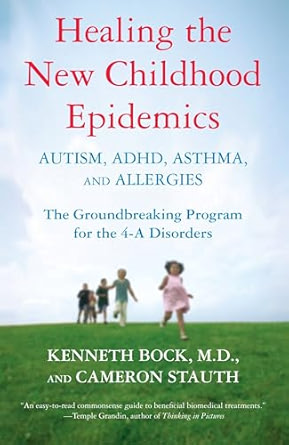
Autism biomedical treatment for all different levels of autism are becoming more and more popular and for good reason. An exceptional book about a doctor in New York, provides extensive information about how he has been helping children with their recovery from autistic disorder, ADHD, allergies and asthma. You can read more about this type of treatment by clicking the link above.
Symptoms of Candida Overgrowth
One frequently used biomedical treatment is that which eliminates symptoms of yeast overgrowth. When the body has too much yeast, it can cause fogged thinking and spaciness along with other medical problems. An integrative physician would be the best type of doctor to talk to if you suspect this may be an issue with your child after doing a simple candida saliva test at home.
DIR Floortime Model
The DIR/Floortime Model is an autism treatment that involves the interactions of others with the child at his or her current developmental level with a focus on the child’s particular strengths. Created by Dr. Stanley Greenspan, the goal is to help a child through the six basic developmental milestones that are considered essential for emotional and intellectual development.
Autism Therapies
In addition to the other autism treatments, many children on the spectrum will participate in daily or weekly therapies. This may be speech therapy, occupational therapy, music therapy, and play therapy. Each plays an important role in the development of a child’s social skills, communication skills and ability to tolerate sensory stimuli that may be difficult for a child that also has sensory processing disorder.
Sensory Processing Disorder Treatment
For some children diagnosed with autistic disorder or other developmental disorders, there can be a sensory processing disorder. Sensory disorder treatments are also frequently an autism treatment because the two often coexist. This treatment attempts to correct or at least limit this dysfunction.
Specific treatments in sensory integration incorporate wearing a weighted vest, providing deep pressure to certain parts of the body, desensitization by exposing the child to gradually increasing levels of a certain stimuli (light, sounds, textures). Trying to limit overstimulation in certain environments is also a common method used in treatments.
Autism Diet
One of the most frequently used autism treatments is a special diet. Children with autism signs may benefit from a gluten casein free diet, anti candida diet (anti yeast diet), a diet free from food additives, and/or a low oxalate diet.
The philosophy behind using this diet as a treatment may be in part due to celiac disease, which is an allergic reaction to gluten. However, the main theory is that the children are unable to properly digest the proteins and when the partial proteins are absorbed, they release a false opiate-like chemical in the brain(1).Relationship Development Intervention
Relationship Development Intervention (RDI) is based on the work of psychologist Steven Gutstein. Many therapies focus more on what is referred to as “static intelligence” (ability to know information and memorize facts), but RDI distinguishes itself from other typical treatments by focusing more on “dynamic intelligence” (ability to adapt and flexibly/creatively respond to novel stimuli). Find out more by clicking the link above. All of these autism treatments can be used together or applied based on your child's need, but I highly recommend definitely exploring biomedical treatment for autism.