Understanding the Characteristics for Autism:
How to Identify Signs, Symptoms, and Differences from ADHD or Sensory Processing Disorder

Understanding the characteristics for autism is the first step toward early identification and intervention. Autism Spectrum Disorder (ASD) is a developmental condition marked by differences in communication, behavior, and social interaction. Although signs can vary widely, certain behavioral traits tend to appear consistently in children diagnosed with autism.
Whether you're a concerned parent, educator, or caregiver, recognizing these characteristics early can make all the difference in a child's development. In this guide, we'll break down the most common traits associated with autism, how they differ from Sensory Processing Disorder (SPD) and Attention-Deficit/Hyperactivity Disorder (ADHD), and why timely intervention is crucial.
What Are the Most Common Characteristics for Autism?
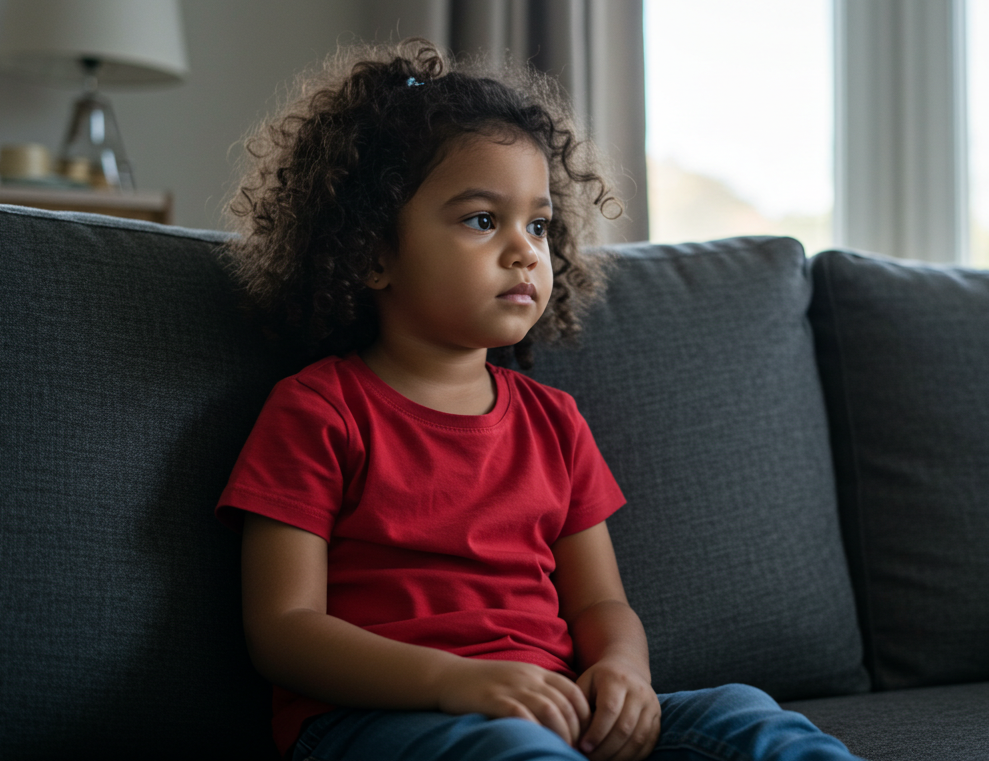
Autism is known as a spectrum disorder because no two individuals present the exact same symptoms. However, these core characteristics often appear in early childhood:
🔹 Social and Communication Differences
- Avoids eye contact or rarely maintains it
- Limited use of gestures (waving, pointing)
- Delayed speech and language development
- May not respond to their name
- Difficulty understanding social cues or emotions
- May prefer to play alone or show little interest in peers
🔹 Behavioral Patterns and Routines
- Insistence on routines; upset by changes in schedule
- Engages in repetitive behaviors (hand-flapping, rocking)
- Echolalia – repeating words or phrases without context
- Fixation on specific topics or objects
- Plays with toys in unusual ways (e.g., lining up instead of imaginative play)
🔹 Sensory Sensitivities
- Over- or under-reacts to sensory input like sound, touch, or lights
- May show unusual fascination with lights, textures, or spinning objects
- Dislikes being cuddled or hugged, even by parents
🔹 Motor and Physical Traits
- Irregular development of fine or gross motor skills
- Clumsy movement or unusual gait
- Either hyperactive or unusually passive for long stretches
🧠 Autism vs. ADHD vs. Sensory Processing Disorder (SPD)
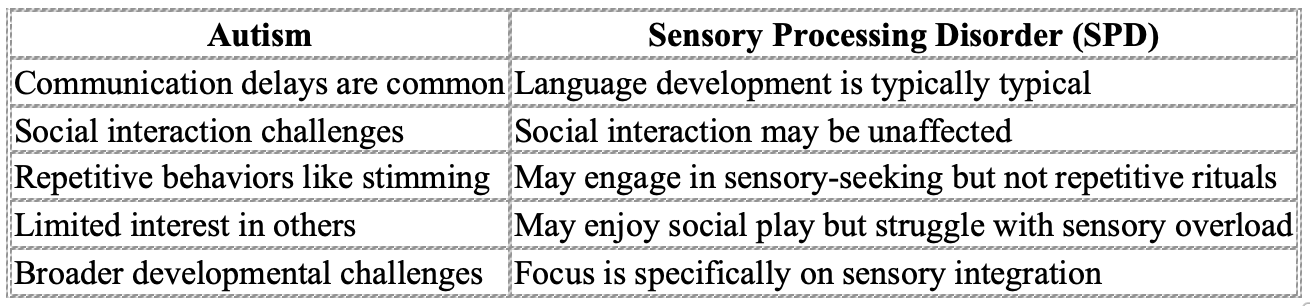
Because several developmental and neurological conditions share overlapping traits with autism, it's important to understand how to distinguish them. Many children with autism also have sensory processing challenges, but not every child with SPD is autistic. Sensory Processing Disorder is a condition where the brain has difficulty receiving and responding appropriately to information from the senses. SPD can cause children to be overly sensitive (or under-sensitive) to stimuli like sound, touch, or movement.
Key Differences:
Autism vs. Sensory Processing Disorder (SPD)
🧒 My Personal Journey: When It's Not Autism
Many parents, including myself, have found themselves wondering whether their child's behaviors are signs of autism. In my case, I discovered my son actually had Sensory Processing Disorder, not autism — even though many characteristics overlapped.
Through tools like the Wilbarger Brushing Protocol, therapeutic listening, and a structured sensory diet, he made tremendous progress. This experience taught me that getting the right diagnosis matters just as much as seeking help early.
Autism vs. ADHD: What’s the Difference?
Another commonly confused condition is Attention-Deficit/Hyperactivity Disorder (ADHD). Both ADHD and autism can cause behavioral and attentional issues, but they are distinct diagnoses.
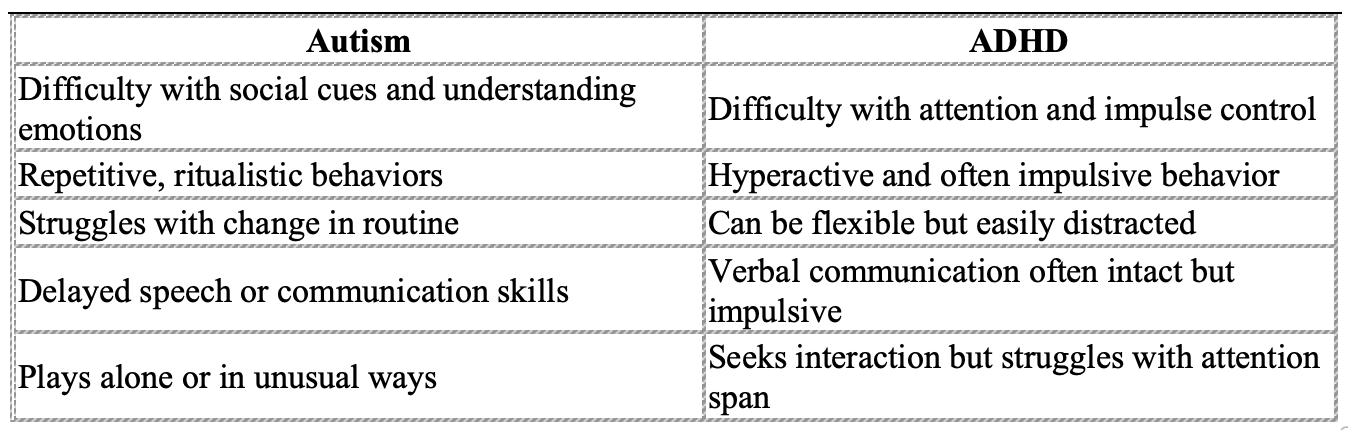
Children can be diagnosed with both ADHD and autism, and in fact, many are. The best way to determine the correct diagnosis is through comprehensive developmental and behavioral assessments conducted by a pediatric psychologist or developmental pediatrician.
Characteristics for Autism Checklist: When to Seek Help

If you're unsure whether your child is showing signs of autism, consider using a checklist to monitor behaviors over time. Here are some questions to ask:
- Does my child respond to their name by 12 months?
- Do they make eye contact?
- Are they pointing, gesturing, or using words to express needs?
- Do they play with toys in a typical way?
- Do they have extreme reactions to sounds, textures, or lights?
- Are they interested in interacting with other children?
If you're answering “no” or “sometimes” to many of these, it’s worth bringing up your concerns with a pediatrician.
Because there are so many different types, behavior disorders in children tend to vary greatly from one to another. If you feel you are seeing a significant number of the general characteristics listed above, I would highly recommend checking out the checklists with more detailed information about diagnosing autism.
⏰ Why Early Intervention Is Critical
Whether your child is diagnosed with autism, ADHD, or SPD, early intervention is key. Research shows that the earlier services like speech therapy, occupational therapy, and behavioral interventions are introduced, the better the outcomes.
Waiting for a diagnosis or hoping your child will “grow out of it” can lead to lost developmental time that’s hard to regain later. I highly recommend parents diligently paying attention to the signs of autism in infants from the time they are as little as 2 months old. Growing research is showing that there are signs as young as this age and in a study conducted in Wisconsin, 13 out of 14 at risk infants were able to develop typically by 24 months old with ABA therapy starting as soon as symptoms presented.
Final Thoughts: Trust Your Instincts
Parents often sense when something feels off — even if they can’t explain it. Whether your child is showing signs of autism, sensory processing disorder, ADHD, or simply developing differently, trust your gut. Seek an evaluation, ask questions, and don’t delay early intervention services.
The earlier you start, the more potential your child has to thrive. With the right support and therapies, many children go on to lead full, independent lives. Remember: You know your child best. Trust your instincts. Get answers early.
Resources
If you haven't already, be sure to check out my ebooks, now on Amazon!
 |
 |