How to Start Potty Training Boys and Girls
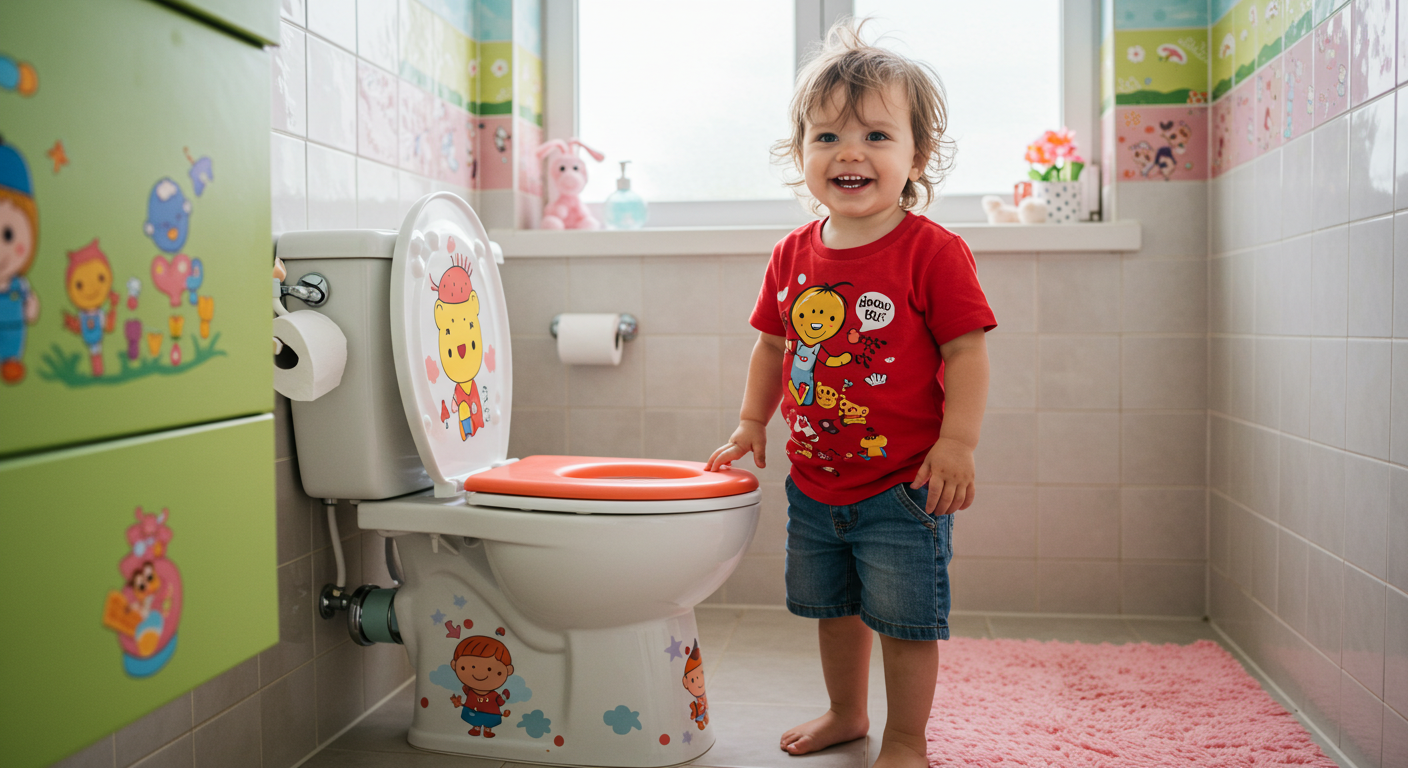
Toilet training is a major milestone in your child’s development, and knowing how to start potty training can be a challenge—especially if your child has developmental disabilities such as PDD-NOS or autism spectrum disorder. While some parents feel eager (or even pressured) to begin training early—especially with the rising cost of diapers—it’s crucial to remember that every child develops at their own pace. There’s no one-size-fits-all timeline, and readiness can vary greatly from child to child.
The good news is, you can start preparing your child for potty training long before “official” training begins. By helping your child build specific foundational skills, you’re setting the stage for a smoother transition from diapers to the toilet. This guide will walk you through early skills to teach, offer tips for both neurotypical children and those with developmental delays, and include a valuable section on how potty training videos can be an engaging and supportive tool in your journey.
Understanding Readiness for Potty Training
Children typically show signs of potty training readiness between 18 and 24 months, although it’s not uncommon for some kids—especially boys or children with developmental delays—to be ready much later. Readiness is not about age as much as it is about skill development. Before starting toilet training in earnest, your child should begin mastering several important behaviors, which can be introduced as early as toddlerhood.
Here are some key behaviors to work on:
- Requesting to go potty: Begin by encouraging your child to say “Potty,” use a gesture, or point to a picture (like those used in PECS—Picture Exchange Communication System). For children with speech delays, sign language or communication cards can be effective alternatives.
- Pulling pants up and down: This self-help skill is essential for toilet independence. Practice with your child during dressing and undressing routines.
- Sitting on the potty: Start with short intervals, such as 30 seconds to a minute. Gradually increase the time as your child becomes more comfortable.
- Understanding wet vs. dry: Help your child notice the difference between a dry diaper and a wet one. This builds body awareness and helps them begin to recognize the sensation of needing to go.
- Following simple directions: Potty training involves listening and responding to instructions. Practice 1-2 step commands like “Come here” or “Sit down.”
- Imitating behaviors: Imitation is a powerful learning tool. Games like “Touch your nose” or “Clap your hands” help establish this skill, which later supports modeling bathroom routines.
Encourage and praise all attempts—even if they’re not perfect. Celebrate the small wins. A child who feels successful and supported is much more likely to stay motivated.
Motivation Tools: Potty Charts and Praise
Using free potty charts is a fun and effective way to track progress and offer visual reinforcement. These charts can be tailored with stickers, stars, or simple checkmarks and work well with reward systems like earning a small toy or extra bedtime story after reaching a goal.
Praise plays a key role in potty training success. Verbal praise like “Great job sitting on the potty!” or physical rewards like high-fives can help create positive associations with bathroom behaviors. The key is consistency and positivity.
Avoid punishment or expressing frustration when accidents happen. Children—especially those with autism or other developmental disorders—may interpret negative reactions as personal failure, leading to increased anxiety, avoidance, or even regression. For example, a child might start hiding when they have to poop or become afraid to tell you when they’ve had an accident, which could lead to hygiene issues or diaper rash.
 |
 |
Potty Training and Developmental Disabilities
For children with developmental delays or diagnoses like autism, the process may take more time and require additional support tools. Applied Behavior Analysis (ABA) techniques can be useful, including visual schedules, reinforcement strategies, and discrete trial teaching.
Incorporating PECS, sensory-friendly potties, or timers can also make the process more manageable. Parents should tailor their approach to their child’s individual sensory needs, communication style, and attention span. Remember: progress may be slow, but consistency and compassion go a long way.
How to Start Potty Training with Videos to Teach and Engage
One powerful but often underused tool in potty training is potty training videos. These can be especially helpful for visual learners or children who thrive on repetition and structured examples.Benefits of Potty Training Videos:Tips for Using Potty Training Videos:
- Visual modeling: Videos show children what to expect during each step of the potty process—from recognizing the urge, to using the toilet, to flushing and washing hands. This modeling can reduce anxiety and create a sense of familiarity.
- Repetition: Many children benefit from watching the same content repeatedly. This helps reinforce language, routines, and expected behaviors.
- Entertainment value: When training feels like fun, children are more likely to engage. Cartoons, catchy songs, and silly characters can transform what might be a stressful experience into something enjoyable.
- Breaks down complex tasks: Videos often simplify the potty process into easy-to-understand chunks, which is great for children who may struggle with multi-step sequences.
- Great for non-verbal children: Even if your child isn’t speaking yet, they can benefit from the visual and musical cues provided in training videos.
Tips for Using Potty Training Videos:
- Choose age-appropriate content: Look for videos that are short (under 5 minutes), use simple language, and demonstrate real or cartoon children using the toilet.
- Watch together: Sit with your child and talk through the video. Reinforce what they’re seeing by using the same language and gestures in real-life training.
- Repeat often: Make the video part of your daily routine—perhaps before bath time or after meals.
- Pair with real-life practice: Follow up with an opportunity to sit on the potty, using the same steps shown in the video. Here's a few to help you get started!
For more tips on how to start potty training, be sure to check out my other pages:
• Potty Training in Three Days – Day 1
• Maintenance Phase - Day 2
• Guide for Public Places – Day 3
• How to Start Potty Training a Bowel Movement