Chores for Kids
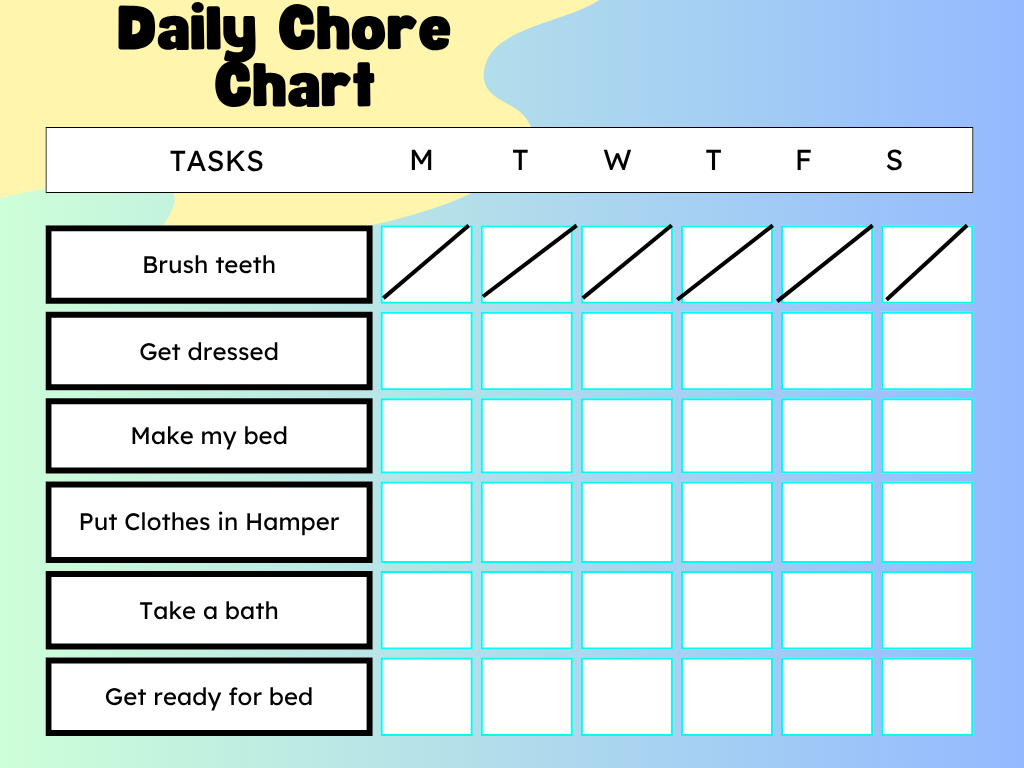
Getting kids involved in household chores not only lightens your workload but also teaches them responsibility, work ethic, and valuable life skills. Whether you're looking for the best chores for kids by age, creative ways to boost motivation, or free resources like printable charts and certificates, this guide has everything you need to help your children succeed.
Why Assign Chores for Kids?
Assigning chores to kids isn’t just about keeping your house tidy. It’s about building habits that will serve them for a lifetime. Chores teach time management, help with emotional regulation through routine, and build self-esteem as kids feel pride in their accomplishments. Learning to contribute early on prepares children for future roles as roommates, partners, or employees who understand what it means to carry their share of responsibilities.
Positive Behavior Supports: More Than Just Chore Charts

Using printable chore charts is a great way to support positive behavior, but you can elevate the experience with a few additional strategies:
- Printable Certificates: Reward exceptional performance with a fun, colorful certificate.
- Reward Charts: Help children track progress and earn small rewards for consistency.
- Praise and Encouragement: Verbal acknowledgment goes a long way. Reinforce effort as well as completion.
- Team Mentality: Emphasize that everyone contributes to a shared space, which promotes unity and accountability.
These tools create a structure that helps eliminate the power struggles that often arise when kids are asked to do chores.
Tips for Getting Kids to Do Chores Daily
1. Start Young
Even toddlers can begin helping. Tasks like matching socks, putting away silverware, or wiping low surfaces are developmentally appropriate and foster a habit of helping. When children are eager to join in, say yes. Refusing their help may unintentionally discourage future participation.
Example: My son began by helping me load and unload the dishwasher at age three. He felt proud, and I had a few minutes of help—win-win!
2. Model feelings of accomplishment
Chores for kids can help foster confidence and accomplishment. Say things like, “This is hard work, but it feels good to finish.” Mark progress with checklists and statements like, “I’ve accomplished so much today,” which emphasize the emotional rewards of getting things done.
3. Build a Routine
Set consistent times for chores, such as right after breakfast or just before screen time. This builds predictability, which reduces resistance. When chores are done consistently, they become habits. Over time, your child will begin doing their chores without constant prompting.
4. Offer Choices
Whenever possible, allow your child to choose from a list of tasks. This simple act gives them a sense of ownership and can increase motivation. Even a choice between folding towels or feeding the dog makes them feel empowered.
5. Turn on/allow electronics AFTER chores are completed
It is going to be extremely difficult to have a child transition from watching TV, scrolling on their phone or playing a video game, to doing chores. I am a huge fan of screen time parental controls for apple products, Xbox, Nintendo switch and more! Sometimes I think it's the only way my kids would ever do anything around the house is if they need to do them for access to their phone. Once chores are done, access is granted.
6. Use Visual Aids
Post chore charts where everyone can see them. Assign responsibilities to all family members over two years old. Seeing everyone's roles helps kids understand that they’re part of a team.
It also helps put their responsibilities into perspective. When they see that parents and older siblings have more to do, they may feel more inclined to participate willingly.
7. Use Video Modeling- Having a child watch a video about a required task, like the fun animation videos from Brave Kid Adventures, makes the task seem more appealing when they see other children doing it (even if only animated characters 😉).
Chores for Kids by Age Group (Brief Overview)
While this page focuses on general strategies, we also offer detailed age-appropriate lists on our Chores List by Age page. Here’s a quick glance:
- Toddlers: Pick up toys, place clothes in hamper
- Preschoolers: Set table, feed pets, dust low surfaces
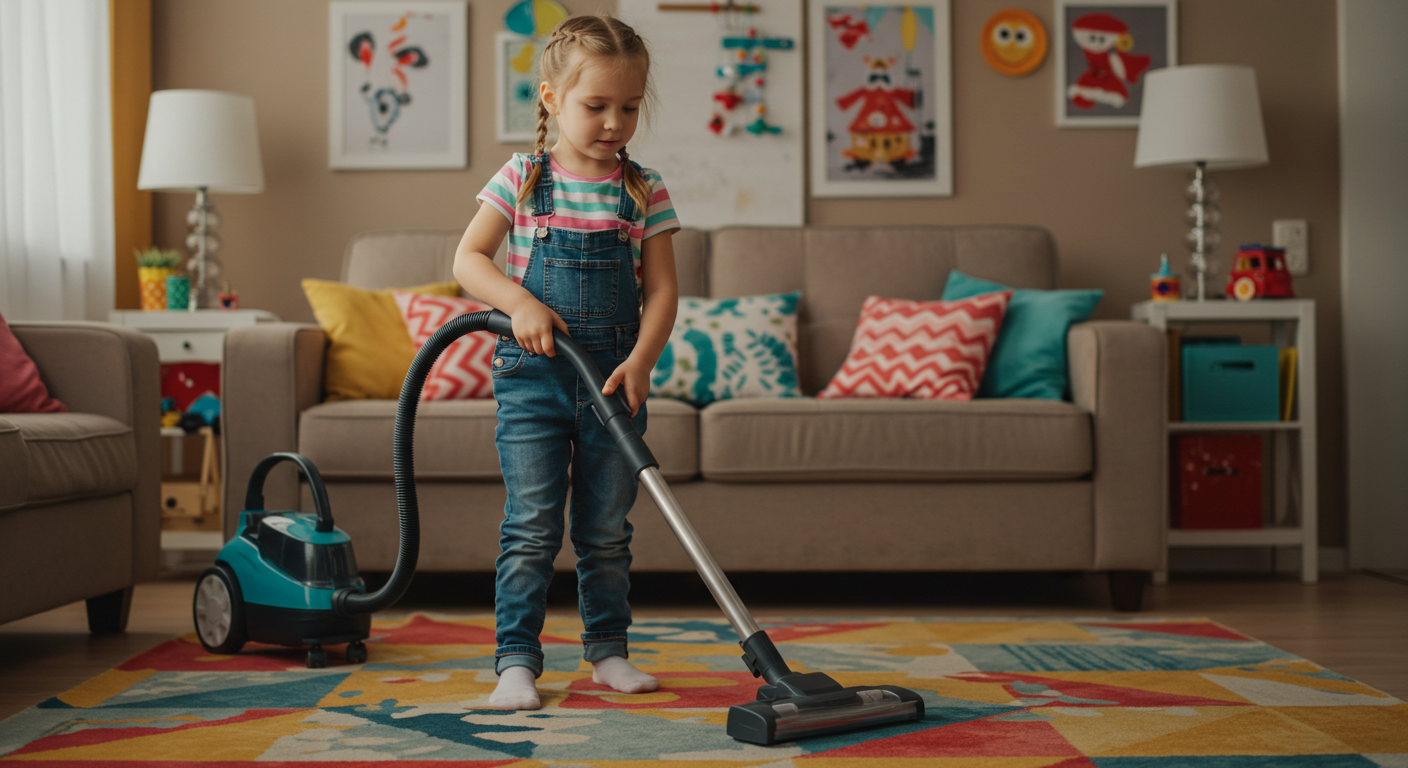
- Elementary Age: Sweep, vacuum, take out trash
- Pre-teens and Teens: Laundry, cook simple meals, mow the lawn
Check out our full breakdown for specific ideas tailored to your child’s developmental stage.
Using Free Chore Charts
Our printable chore charts for kids are a fantastic way to bring consistency into your household routine. These charts help kids track their responsibilities and feel accomplished as they complete each task. Laminate them for reusability or print new ones each week.
In addition to individual charts, you can download Family Chore Charts that display everyone’s tasks together. This fosters collaboration and helps reduce complaints like, “Why do I have to do everything?”
Be sure to post these in high-traffic areas such as the fridge or a family bulletin board.
Troubleshooting Chore Resistance
If your child consistently refuses to do chores, consider these strategies:
- Use Clear Expectations: Don’t assume they know what to do—show them.
- Break It Down: A task like “clean your room” can be overwhelming. Break it into parts: pick up toys, make the bed, vacuum.
- Implement Timers: Race the clock! This can make chores feel more like a game.
- Introduce Natural Consequences: If they forget to pack their lunch, let them experience the results (within reason).
- Stay Calm: Keep your cool. Escalating won’t help, and consistent enforcement speaks louder than yelling.
For kids who are particularly defiant or struggle with executive functioning (such as children with ADHD), visit our Compliance Strategies for Defiant Kids page for additional insights.
Final Thoughts
Chores for kids are more than just household duties—they’re life lessons in responsibility, consistency, and cooperation. By using positive supports, clear routines, and visual tools like chore charts, you set your child up for long-term success. Remember, the goal isn’t perfection—it’s progress. Every small step your child takes in helping the family builds confidence and independence.
So start today. Whether it’s setting the table or sweeping the floor, every completed task is a win—for your child and for your family.
If you haven't already, be sure to check out my ebooks, now on Amazon!
 |
 |