Auditory Processing Disorder

Learn how to recognize central auditory processing disorder (CAPD) and activities that can be done with children to help. CAPD affects approximately 5% of school-aged children. As a result they are unable to adequately process sound, speech and other auditory stimuli because the brain is unable to perceive and interpret the information properly.
Distracting background noises often make it very hard for the child to understand and recognize words being said. This can make it difficult in crowded rooms or noisy classrooms to learn at an optimal level. Without early detection a child may ultimately end up having speech and developmental delays, but because the symptoms can be seen in many young children it is typically not diagnosed until 8 or 9 years old.
Auditory processing disorder has some similar symptoms of ADHD, including difficulty following directions, disorganized, forgetful and being easily distracted by background noises. It's important to be aware that CAPD may also cause behavioral problems due to the child becoming frustrated with inability to understand. Because this disorder can often be confused with ADHD and learning disabilities, a child does not always receive the proper treatment needed.
Causes of Auditory Processing Disorder
There is not just one possible cause of CAPD. Lead poisoning, chronic ear infections and head trauma are all possible causes(1). Some children have no known cause, although it is also possible that the condition is hereditary meaning that there might be a genetic predisposition to developing the disorder.
Symptoms
To some extent all children may display some of the symptoms at sometime in their life, so it is important to note that just because your child may have some of the symptoms does not necessarily mean he or she has CAPD. It is when there is a recurrent problem that interferes with daily functioning that may indicate the disorder. Some signs and symptoms include:
- Difficulties with attention and memory for information presented orally
- Difficulty carrying out multistep directions
- Poor listening skills
- Need more time to perceive and interpret information
- Low academic performance
- Behavior problems
- Struggle with Language(e.g., they may confuse words that sound the same and have problems developing vocabulary and/or understanding language)
- Problems with reading, comprehension, spelling, and vocabulary
Treatment
If you suspect that your child has APD, speak to your healthcare provider. Diagnosis will usually need to come from an audiologist. Younger children may sometimes display symptoms similar to APD due to the brain still developing and learning to process information, which is why APD is typically not diagnosed until 8 or 9 years of age.
I know I often find my son displaying some of these symptoms, but because he is at such a young age it is hard to determine whether it is simply because of his age or because he may actually have a hard time processing what I am saying to him.
Treatment for APD may include:
- Deficit-specific, formal and informal auditory training
- Speech and language therapy
- Language processing training
- Frequency Modulated (FM) Systems
- Computer-assisted therapy such as Earobics
- Environmental modification to help with auditory processing
- Training of compensatory skills
- Auditory integration training for auditory processing disorder which helps to retrain a disorganized auditory system by improving hearing distortions and sound sensitivities.
Integrated Listening Systems (ILS)
Integrated listening is a treatment to improve auditory processing that I am personally familiar with. I have seen children listen to classical music that were previously completely non-verbal and are now talking! I can't tell you how exciting that is! A good listening ear is one that will suppress lower frequencies of background sounds, and at the same time be receptive to higher frequencies. ILS trains the ear to do this, so that language can be heard discriminately and learned, while also improving attention and concentration in the midst of noisy environments.
ILS filters music based on specific frequencies of sound that target and improve sensory motor skills, communication, and integration. It requires frequent listening with special headphones through air AND bone conduction while combining visual, vestibular and movement activities.
Supporting Children with Auditory Processing Disorder at Home
Helping a child with Auditory Processing Disorder (APD) doesn’t stop at the clinic — the home environment plays a crucial role in improving listening, language, and communication skills. With a few practical adjustments and consistent practice, you can make everyday life easier and more productive for your child.
🏡 1. Create an APD-Friendly Home Environment
- Reduce background noise whenever possible — turn off the TV or music during conversations.
- Use soft materials (like rugs and curtains) to minimize echo and make speech easier to understand.
- When speaking, face your child and use clear, simple language supported by visual cues.
🎧 2. Daily Auditory Processing Activities
- Play listening games like “Simon Says,” sound matching, or rhythmic clapping to strengthen auditory memory.
- Read aloud each day and ask your child to summarize or answer questions about the story.
- Try phonics activities that focus on identifying similar sounds, rhyming, and distinguishing word differences.
- Use computer-assisted auditory training programs such as Earobics or HearBuilder to make learning fun and interactive.
📱 3. Helpful Technology for APD
- Consider using FM systems or classroom amplification to improve sound clarity.
- Encourage audiobook listening to build attention and comprehension.
- Explore listening therapy tools like Integrated Listening Systems (ILS) or Auditory Integration Training if recommended by your audiologist.
💬 4. Emotional and Social Support
Children with APD can feel frustrated when they have trouble understanding others. Encourage open communication about how they feel, praise their efforts, and remind them that Auditory Processing Disorder does not affect intelligence — it simply changes the way the brain interprets sound.
👩⚕️ 5. Collaborate with Professionals
Consistent communication with teachers, speech-language pathologists, and audiologists ensures your child receives coordinated support. Share progress between home and school, and ask for activities that reinforce auditory skills across environments.
Other Auditory Processing Activities
Sound identification games including: Trying to identify recorded sounds (e.g. trains, planes, sirens), things in the environment outside (e.g. birds, crickets etc.), and created noises (tapping on a table, knocking on a door, shaking different objects etc.). The sound touch app is great for this!
Sound pattern games including: Tapping on a drum or clapping hands to a rhythmic beat asking them to count the beats or recreate the beat on their own drum or hands.
Sound Contrast games including: Creating sounds that are loud or soft and having them identify which. Other ideas include having them identify noises that are close or far away, and high or low.
Hiding something that is making music or another noise (ticking clock) in a room and having the child try and find the object.
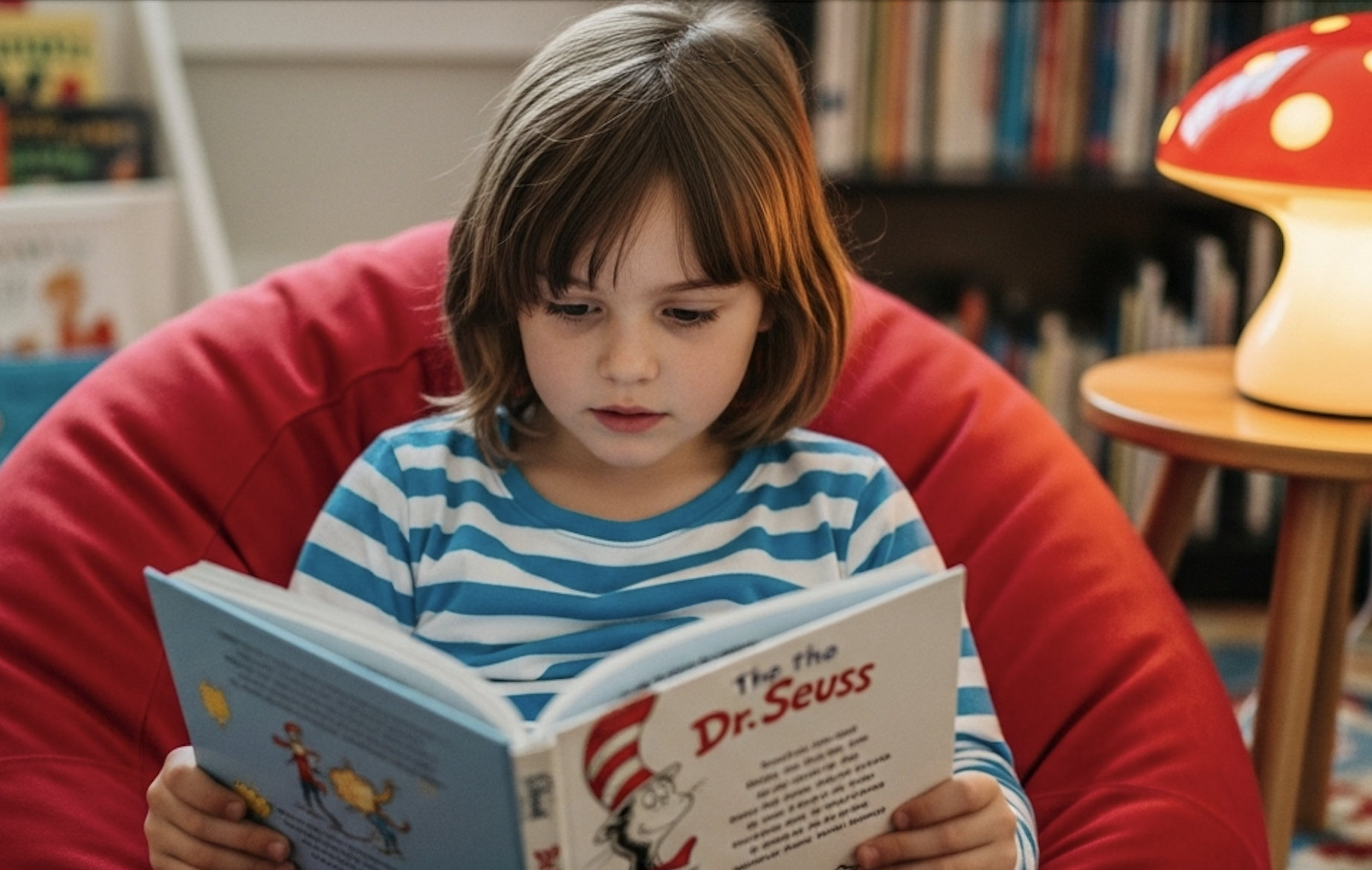
Practicing Phonics: Working with children on their phonics by sounding out each letter of the alphabet and getting them to repeat the sounds each letter can make. Encouraging them to sound out words and recognize rhyming words. Dr. Seuss books are great for this!
There is also a great website with auditory processing worksheets that can be downloaded for free at www.schoolsparks.com
All of these activities can be incorporated into auditory processing disorder treatment.
If you haven't already, be sure to check out my ebooks, now on Amazon!
 |
 |
References
1. Kids Health. Auditory Processing Disorder. www.kidshealth.org. 1-16-10.
2. SoundidEARS. Treatment of APD. www.soundidears.com. 4-22-10.