Understanding Oral Defensiveness and
Oral Dysfunction

Have you ever wondered why your child gags at certain foods, refuses to try anything new, or seems terrified of brushing their teeth? While this might look like typical picky eating, sometimes there’s more going on beneath the surface. These may be signs of oral defensiveness, a common symptom of sensory processing disorder (SPD).
For many children (and even some adults), the sensations of taste, texture, temperature, or touch inside the mouth can feel overwhelming or even distressing. What might seem like a small issue at mealtime can actually impact nutrition, health, and quality of life. Understanding the root cause of oral defensiveness is the first step toward helping your child feel comfortable, confident, and safe with food.
Common Signs of Oral Defensiveness
The most common signs of oral defensiveness include gagging and a strong avoidance of foods with bold or unusual flavors. To the casual observer, this might just seem like picky eating. However, children with sensory-related oral issues often have an extremely limited number of foods they’re willing to eat. Getting them to try something new can feel almost impossible—like asking them to climb a mountain.
Depending on severity, oral defensiveness can have serious effects on a person’s diet and nutrition. Because they reject so many textures and tastes, individuals may struggle with maintaining a balanced diet, which can lead to weight management difficulties or nutrient deficiencies over time.
Symptoms of Oral Defensiveness and Dysfunction
Oral Defensiveness
• Picky eater based on textures, temperatures of food and new flavors.
• May gag at times or only desire to eat pureed foods
• Difficulty sucking, chewing, or swallowing
• May have frequent choking incidents
• Avoids spicy, extra sweet, sour, or salty foods
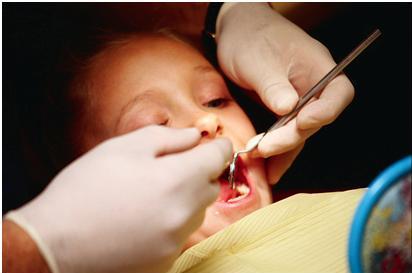
• Oversensitive to toothpaste and mouthwash and dislikes going to the dentist
• Dislikes licking envelopes, stamps or stickers because of taste
Hyposensitivity to oral input
• Symptoms of PICA – putting inedible objects in the mouth to lick, taste or chew
• Prefers flavorful food including very spicy, sweet, sour, or salty
• Drooling past the teething stage
• Chewing on hair, shirt or fingers
• Difficulty distinguishing between different tasting foods
• Loves condiments and seasonings
• Likes vibrating toothbrushes and trips to the dentist
How Oral Defensiveness Impacts Nutrition and Health
Children and adults with oral defensiveness often develop strong food preferences—and equally strong food aversions. For instance, many tend to avoid fruits and vegetables, as these can taste bitter or feel unpleasant in the mouth. Unfortunately, skipping these important food groups can lead to nutritional deficiencies and increase the risk of certain health conditions over time.
On the flip side, individuals who are under-reactive (hyposensitive) to food sensations may seek out intense flavors and textures—especially sugary or crunchy snacks. This can result in overeating sweets, contributing to weight gain, obesity, and higher risks of diabetes or heart disease.
Because oral defensiveness affects how the brain processes sensory input, it often doesn’t exist in isolation. It can occur alongside other challenges, such as tactile defensiveness (sensitivity to touch), auditory dysfunction (sensitivity to sound), or proprioceptive dysfunction (difficulty sensing body position or movement). Each of these can make everyday experiences more difficult, but with the right support, significant progress is possible.
What does research show about oral defensiveness?
Research shows that about 25% of the population struggles with hypersensitivity to food and 25% of the population has a difficulty with hyposensitivity to food as the result of tongue related genetics. One way to determine whether this is contributing to you or your child’s oral defensiveness or hyposensitivity to food is by doing the blue tongue test.
The Blue Tongue Test: Dab a small amount of blue food coloring on an area of you or your child’s tongue. Then take a piece of paper with a hole the size of a three-ring paper hole punch and place it over the blue area of your tongue. Using a magnifying glass, you will see small circles of pink colored tissue that polka-dot the blue area of your tongue. These are called the papillae.
Count the little pink dots you see in the hole. If you count fewer than five dots, it means you are an undertaster and likely suffer from hyposensitivity to food. If you count more than 30 dots, you or your child most likely struggle with oral defensiveness and can be referred to as a supertaster.
Personally, I find myself to be an undertaster and I have a horrible sweet tooth! For me it’s really all or nothing when it comes to sweets because just one turns into a downward spiral of many more. Depending on your results, this does not necessarily indicate you or your child has a sensory disorder in relation to oral dysfunction.
I don’t experience all of the symptoms below to indicate a sensory disorder. However, these tongue genetics may be a contributing factor for an individual that does have a sensory disorder. It may also explain for some individuals why they have a difficult time staying away from sweets or incorporating fruits and vegetables into a diet.
Treatment
SPD treatments, such as sensory integration therapy, certain sensory toys and occupational therapy can be very effective in helping to reduce the symptoms of oral defensiveness and input dysfunction. This type of therapy combines sensory input with motion to help the child engage in appropriate movements following input they get from different senses. If a child is eating a very limited number of foods, feeding therapy is another great option to help expand variety in the diet. I highly recommend SOS feeding therapy for oral defensiveness as one of the best ways to tackle extremely picky eating.
On the other end of the sensory spectrum are children who have oral dysfunction with hyposensitivity—meaning their oral sensory system is under-responsive. Instead of avoiding sensations, these children actively seek them out. They may frequently put non-food objects in their mouths, a behavior known as Pica.
To help meet this need in a safe, appropriate way, occupational therapists often recommend tools such as chewy tubes or chewelry. These oral sensory tools give children the input they crave without putting them at risk of choking or consuming inedible items.
In addition, an occupational therapist (OT) can design a customized sensory diet—a structured plan of activities that helps regulate the child’s sensory system throughout the day. This approach doesn’t just target oral defensiveness or hyposensitivity but also supports other sensory processing disorder symptoms that may be affecting behavior, attention, or motor skills.
If you suspect your child struggles with oral defensiveness, it’s important to seek an evaluation from an occupational therapist experienced in sensory integration. Early intervention can make a world of difference. A professional can help identify whether your child’s behaviors stem from sensory issues, anxiety, or a combination of both.
Treatment often includes:
- Gradual exposure to different food textures and tastes in a calm, supportive setting. (ABA programs will do this)
- Oral desensitization activities, such as using vibrating toothbrushes, straws, or textured chew tools.
- Sensory-based play that incorporates mouth movements, such as blowing bubbles, whistles, or using drinking straws for games.
- Parental education, to help caregivers support progress at home without pressure or frustration.
Social Stories to Help
If your child struggles with going to the dentist due to oral defensiveness or is a picky eater, using social stories as part of a desensitization program to gradually expose them to the ideas of new food and getting a teeth cleaning can be a powerful component of treatment. Check out these to share with any child that struggles with oral defensiveness!
Some additional pages you may find helpful:
• Sensory Modulation Disorder (subtype of SPD)
• Sensory Seeking
• Tactile Dysfunction
• Olfactory Dysfunction
References
1. Roizen, M.F. & Oz, M. C. (2006).You on a Diet: The Owner’s Manual for Waist Management. New York: Free Press.
2. Sensory Processing Disorders. Sensory Processing Disorder Checklist. www.sensory-processing-disorders.com. 1-16-10.