The Autism Vaccines Debate

The most controversial autism vaccines debate has many parents questioning whether they should be giving their children vaccinations. For many families, this topic is not just academic or political, but deeply personal and emotional. Parents are placed in a position where they must weigh the potential benefits of immunizations against concerns about ingredients, side effects, and long-term health outcomes. As more parents seek answers, many want to learn the ingredients and possible adverse effects associated with all immunizations, as well as ways to avoid or minimize those adverse effects whenever possible.
In addition to the information provided on my pages Are vaccines causing autism? and Which possible vaccines cause autism?, it is important to further discuss potential reasons an immunization may cause autistic disorders. While the subject is complex and often polarizing, it continues to raise questions that parents feel deserve careful consideration rather than dismissal. Exploring these questions does not mean drawing absolute conclusions, but instead examining possibilities that may help parents make informed decisions for their children.
One of the most commonly discussed issues in this debate is the presence of toxins in vaccines. The fact is that there are toxins in vaccines, but an important question remains: are they enough to harm the individual receiving the vaccination? Some parents feel reassured by official safety standards, while others remain uneasy about repeated exposure to these substances during early childhood. For those who wish to research further, they may view each vaccine ingredient list which provides detailed information about what is included in various immunizations based on brand name.
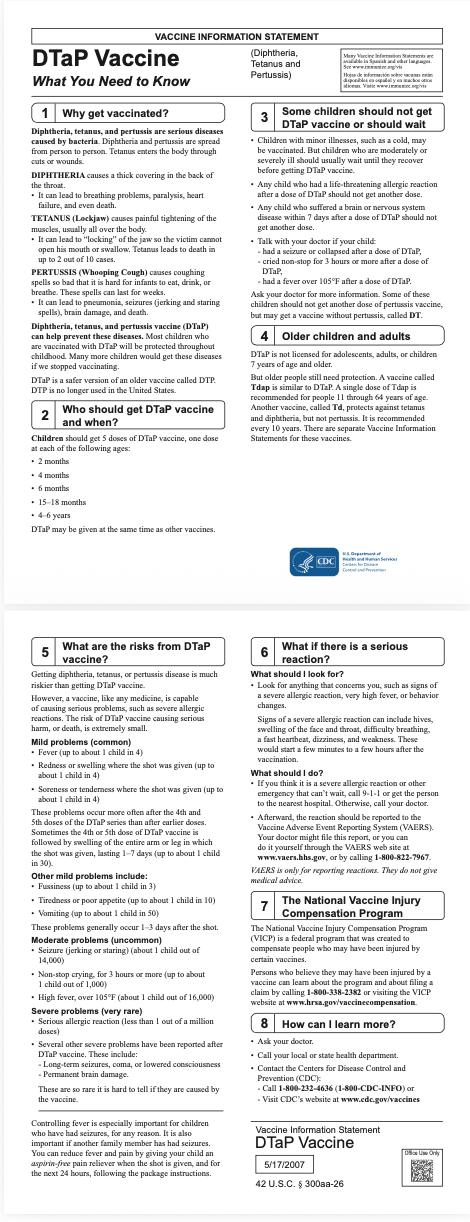
Among the ingredients that concern many parents are thimerosal, which contains mercury and is still used in some brands of DTaP, HIB, and influenza vaccines, as well as aluminum and formaldehyde. These substances are often described as alarming because they are known toxins in other contexts. Even when used in small amounts, some parents question whether repeated exposure during infancy and early childhood could have cumulative effects. This concern is heightened when children receive multiple vaccines within a short period of time.
In addition to ingredients, parents also worry about reported adverse effects. Some alarming adverse effects include seizures and permanent brain damage, which are known possible side effects of vaccines such as the DTaP and MMR. While these effects are not said to occur in every child, the possibility alone can be frightening for parents. At the same time, the MMR vaccine presents a complicated issue because it also claims to almost be considered the first autism vaccine, due to preventing Rubella, which is recognized as the first known cause of autism. This dual role leads to further confusion and debate, as parents try to understand whether vaccines are protective, harmful, or potentially both depending on circumstances. Whether you are concerned about autism, vaccines, or even both, doing research on them is the best place to start.
Are autism and vaccines related?
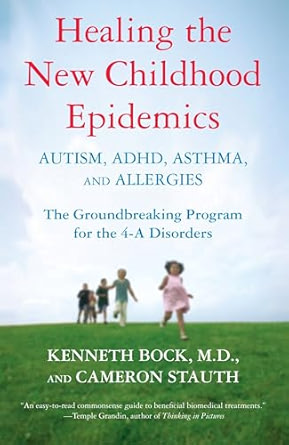
Parents searching for answers often turn to books, alternative research, and personal accounts in hopes of finding clarity. One frequently mentioned resource is the book Healing the New Childhood Epidemics: Autism, ADHD, Asthma, and Allergies: The Groundbreaking Program for the 4-A Disorders. This book discusses immunizations and offers an alternative vaccine schedule for children, which some parents feel more comfortable following. The idea of spacing out vaccines rather than administering many at once may help put some parents more at ease with the hypothetical implications being discussed.
In addition to proposing an alternative schedule, the book also provides a list of vitamins and supplements to give children before and after each vaccine. These supplements are intended to help support the immune system and assist the body in eliminating toxins. For parents who are concerned about vaccine ingredients but still wish to immunize their children, this approach may feel like a middle ground that allows for additional precautions.
It is also important to acknowledge that it would not be accurate to say that all autism causes are directly and only related to vaccinations. Even those who believe vaccines may be influencing autism rates often recognize that the issue is more complex. There are likely multiple causes, or a combination of causes, that contribute to an autism diagnosis. In some cases, a child may be unfortunate enough to encounter several contributing factors at once, leading to developmental challenges that might not have occurred otherwise.
One possible additional cause discussed is a genetic predisposition to difficulty detoxifying. Some individuals may naturally have a harder time processing and eliminating toxins from the body. Family histories of mental illness and autoimmune disorders are often viewed as indicators of this genetic predisposition. When a child with such a background is given multiple vaccines, the concern is that their body may not detoxify as effectively as other children.
If a child is genetically less able to detoxify, the buildup of substances in the body could potentially make them more susceptible to undesirable side effects. These side effects may include seizures or possibly even autistic disorder, asthma, and allergies. This perspective leads parents to wonder whether vaccines act as a trigger rather than a sole cause, especially in children who already have underlying vulnerabilities.
This raises another important question: could a buildup of toxins within the bloodstream cause damage to the developing brain of an infant? For many parents, common sense suggests that this could be possible, especially during critical stages of brain development. Infancy is a time of rapid growth, and even small disruptions may feel significant to those trying to protect their child’s future health.
At the same time, parents must consider another difficult question. Would the potential loss of a child to one of these severe illnesses be worse than autism, asthma, or allergies? This is not a question with an easy or universal answer. Every family’s situation, values, and risk tolerance are different. Ultimately, this is a decision that parents need to make themselves, based on the information available to them and what they believe is in the best interest of their child.
By continuing to ask questions and explore multiple perspectives, parents hope to navigate this complex issue with care, awareness, and responsibility. More recently, since the Covid Vaccine was released, it appears more parents have been asking all of these questions, fueling the Autism-Vaccines Debate even more.
Final Thoughts
If you are concerned a vaccine has harmed your own child, The National Vaccine Injury Compensation Program (VICP) is a federal program that was created to compensate people who may have been injured by certain vaccines. Claims regarding alleged injury or death due to vaccination have a time limit for filing, which may be as short as two years. Visit the VICP website at www.hrsa.gov/vaccinecompensation or call 1-800-338-2382 to learn about the program and about filing a claim.